

USE CASES
Explore how the AETHER project applies explainable AI and Earth observation data to real-world challenges
USE CASE
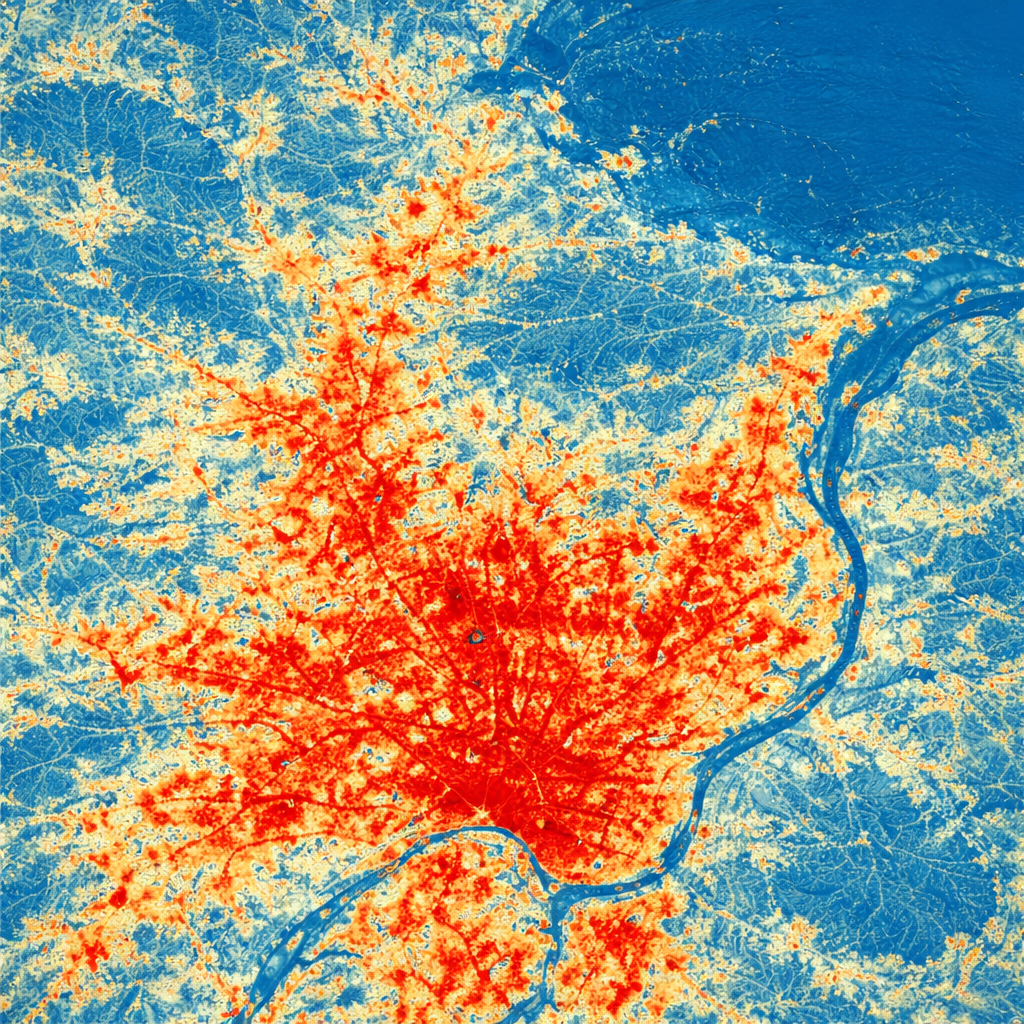
Urban Heat Islands
Urban areas often experience significantly higher temperatures than surrounding rural regions due to dense construction, limited vegetation, and human activities — a phenomenon known as Urban Heat Islands (UHIs).
This use case focuses on the detection and temporal evolution of urban temperature patterns in Dutch cities, Kraków (Poland), and Guatemala City, combining EO data, climatic variables, and AI models.
By applying explainable AI techniques, the project aims to:
Identify the main drivers of urban heat dynamics (e.g., land use, surface materials, vegetation cover).
Provide clear explanations for observed temperature anomalies over time.
Support urban planners and local authorities in designing targeted mitigation strategies, such as green infrastructure or cooling interventions.
This use case illustrates how xAI can turn complex thermal and land surface data into actionable insights for climate-resilient urban planning.
USE CASE
Crop Yield Prediction
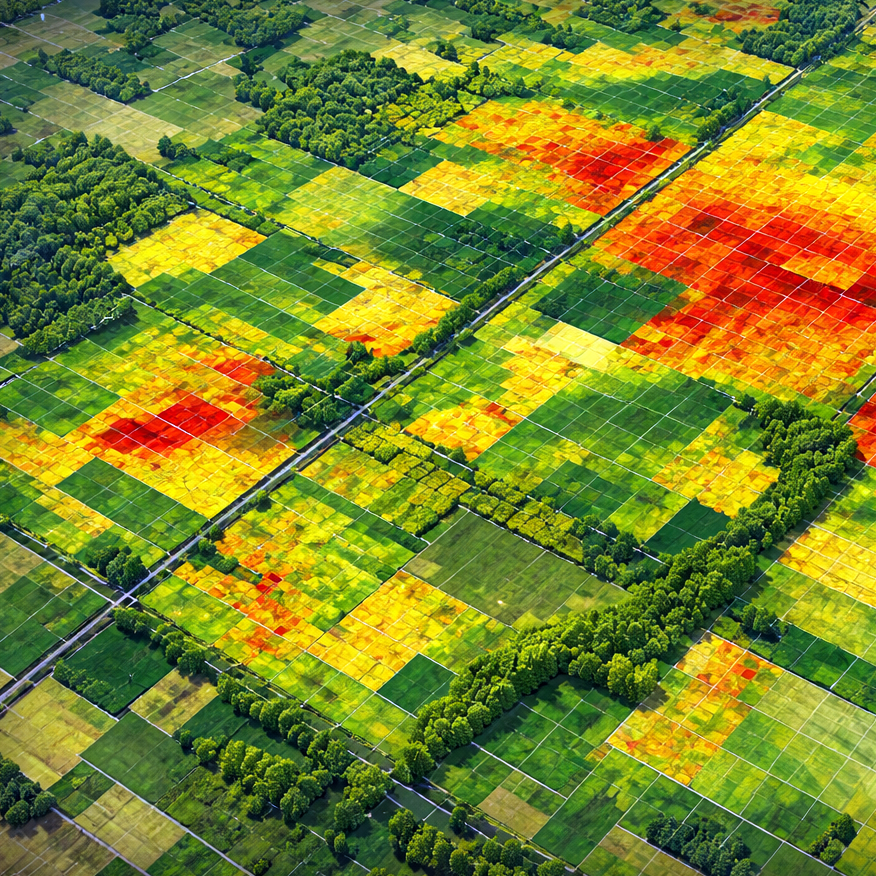
This use case addresses both yield prediction and post-disaster damage assessment for key cereal crops such as wheat and maize, leveraging the GROW-Africa database and other local datasets across 8 African countries (both smallholder and plantation contexts), including agroforestry systems.
By integrating EO imagery, agro-climatic indicators, and machine learning, AETHER aims to:
Improve the accuracy and interpretability of crop yield forecasting models, supporting food security monitoring at regional and national scales.
Provide rapid, explainable assessments of crop damage following extreme events (e.g., droughts, floods, storms), enabling faster response and recovery.
Demonstrate how xAI can highlight the key environmental and agronomic factors influencing yield variability and damage, empowering local agencies and farmers to make informed decisions.
This use case showcases the potential of explainable AI to strengthen climate resilience and disaster preparedness in agriculture.
USE CASE
Biodiversity
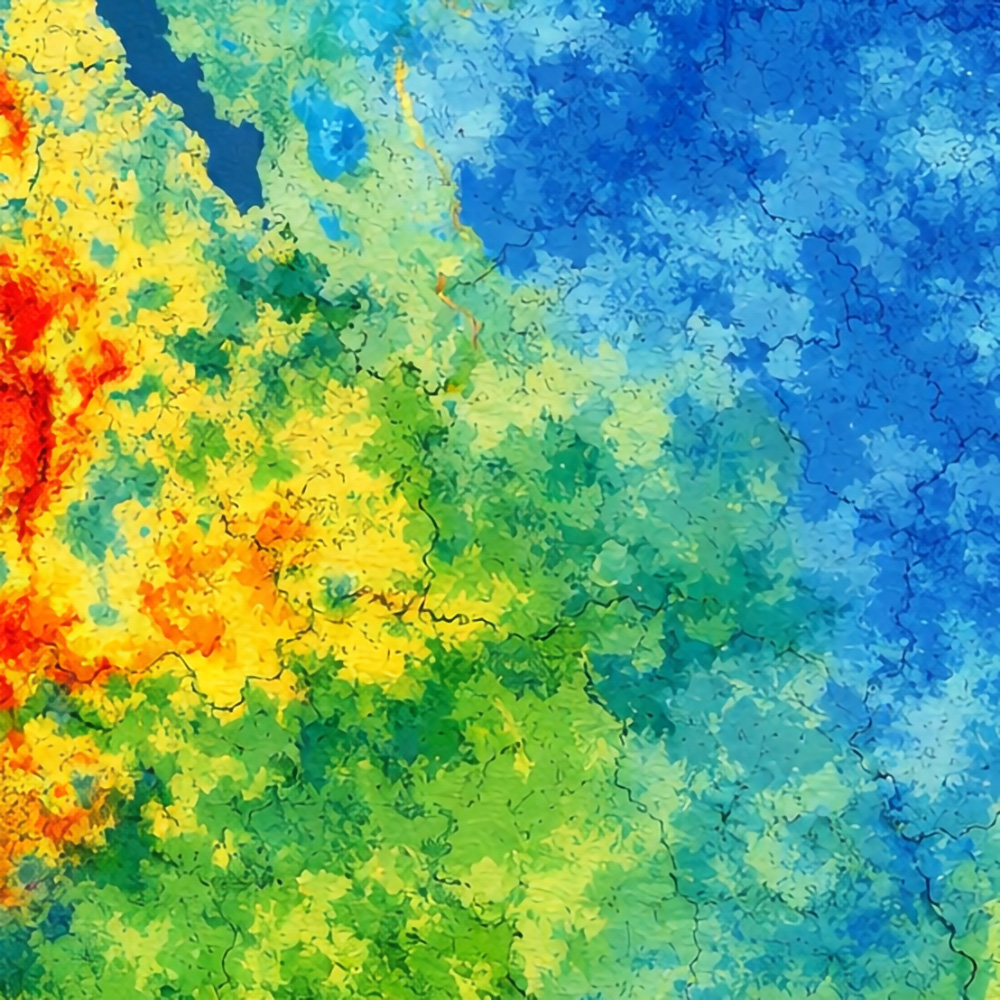
This use case focuses on mapping species occurrence rates from EO data for bird species (United States & Kenya) and butterfly species (United Kingdom) using the benchmark datasets SatBird and S2BMS.
Through explainable AI approaches, AETHER will:
Predict species occurrence from EO data using state-of-the-art AI methods.
Explain which environmental factors (e.g., temperature, land cover) and landscape features are the main drivers of species occurrence predictions.
Provide spatially explicit predictions with text explanations that can inform conservation strategies, land-use planning, and biodiversity policy at local and international levels.
This use case demonstrates the value of xAI in tackling one of the most pressing environmental challenges — high-resolution biodiversity monitoring at scale.
Visit Linkedin for news & updates
Discover additional information on the project’s LinkedIn page
Quick Links
Home
News
Objectives
Use Cases
Deliverables
Contact
Privacy and Cookies
AETHER Project
Advancing the field of Artificial Intelligence for Earth Observation by developing innovative explainable AI approaches that increase transparency, trust, and usability of AI models for real-world environmental applications.


